
'/%3e%3cdefs%3e%3clinearGradient%20id='prefix__paint0_linear_4737_37157'%20x1='3.018'%20y1='23.6'%20x2='44.925'%20y2='24.977'%20gradientUnits='userSpaceOnUse'%3e%3cstop%20stop-color='%231CB7FF'/%3e%3cstop%20offset='.502'%20stop-color='%232FF58B'/%3e%3c/linearGradient%3e%3c/defs%3e%3c/svg%3e)


FIFA faces pressure to review controversial VAR decisions in Argentina vs. Egypt
Jul 08 2026 21:53 · By ROBERTO ORTEGA · 9 Reads


French referee François Letexier has suddenly become one of the most talked-about officials of the
2026 FIFA World Cup
after
Egypt
filed a formal complaint with FIFA over his decisions in
Argentina’s
dramatic and disputed 3-2 win in the Round of 16. The match had already delivered one of the tournament’s most emotional endings, but
the conversation quickly shifted toward the refereeing decisions that angered Egypt and many fans around the world
.
Egypt believed it had done enough to put the defending champions against the ropes
. Hossam Hassan’s team was leading 2-0 and appeared to be on the verge of producing one of the biggest upsets of the tournament before Argentina completed a late comeback. Cristian Romero, Lionel Messi and Enzo Fernández turned the match around, with Fernández scoring the decisive goal in stoppage time.
The VAR's alleged mistakes spark controversy
The controversy centered on two key moments.
The first was a disallowed goal by Mostafa Zico after a VAR review, a decision Egypt believes completely changed the rhythm of the match. The play sparked even more debate
because the foul was called at VAR’s request seconds after Egypt had scored
, since it had not been whistled immediately on the field.
The second moment came late in the match
, when Egypt appealed for a penalty shortly before Argentina scored the winning goal. Egyptian officials argued that both decisions damaged the fairness of the match and, in the eyes of many, were highly questionable.
After the match,
the Egyptian Football Association filed a formal complaint with FIFA against Letexier and the refereeing team
. According to reports, Egypt asked FIFA to review the officiating and questioned the consistency of the VAR interventions. Sky Sports reported that FIFA had received the complaint, while Reuters noted that FIFA had not yet responded publicly at the time of publication.
Hassan did not hide his anger after the defeat.
The Egypt coach called the officiating unfair and suggested the match had been influenced by decisions that favored Argentina’s victory.
His comments made his frustration clear and showed everything that was going through his mind, turning the match into one of the most controversial games of the Round of 16.
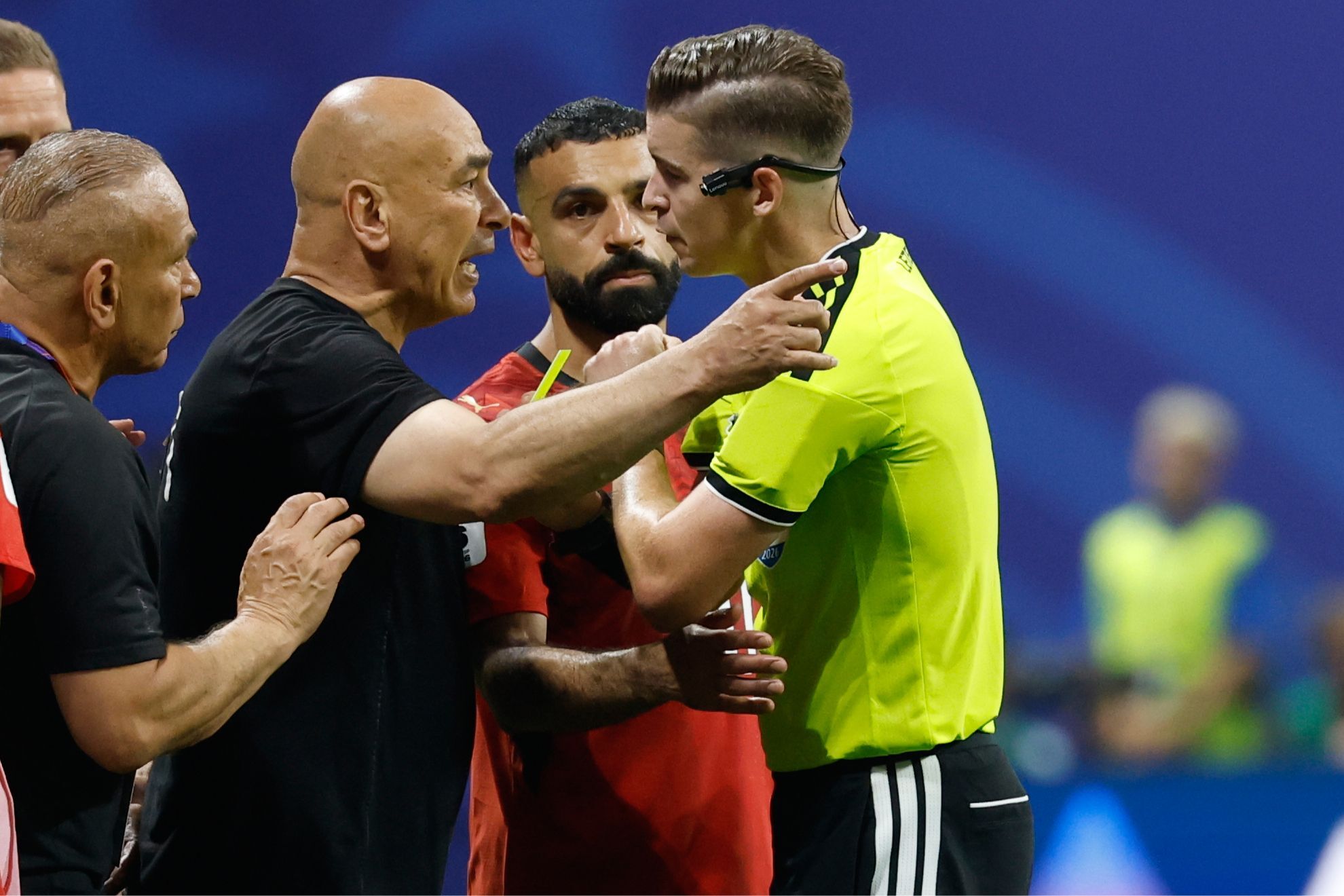
The debate goes beyond Egypt. VAR was already one of the biggest talking points of this World Cup, with fans, coaches and former players questioning when technology should intervene and when it should stay out of the game.
Argentina vs. Egypt only intensified that conversation, as the most controversial decisions came in moments that directly affected the scoreline
. Instead of helping clarify what happened, the technology once again left everything open to interpretation.
For Argentina, the result means a place in the quarterfinals and another escape in a tournament full of emotional moments, though also several highly questioned ones.
The controversy around Argentina began in its opening match, when neither the referee nor VAR punished a play that many believed should have resulted in a red card for Messi. From that point on, the controversy started to grow.
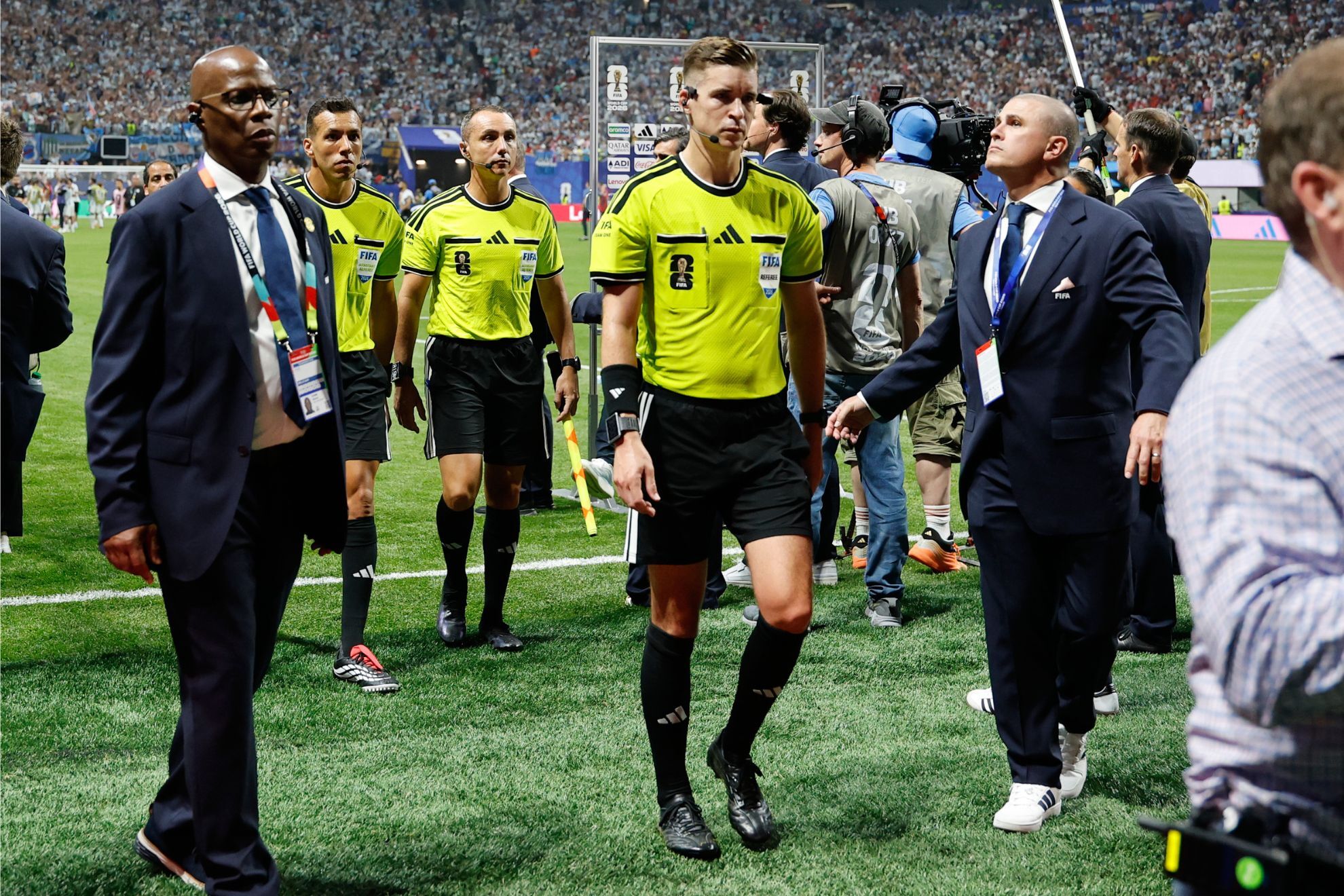
For Egypt, it means leaving the World Cup with the painful feeling that history was taken away by decisions beyond its footballing ability
. That is why the complaint is not only about one referee, but about trust in the system itself and the credibility of those who decide what is reviewed and what is not within FIFA.
Now the pressure falls on Gianni Infantino and FIFA.
If the organization simply moves on without offering explanations, the controversy could continue to grow, fueled by silence.
But if it addresses Egypt’s complaint and explains the reasoning behind the key VAR decisions, it could at least give the tournament something it urgently needs: credibility.